… after more than 2 years Carola Gosch is back in Nepal. With window openers for the glass houses, seeds and self-knitted socks she is back to work on site. But besides the work there is also a party to celebrate – Happy Holi


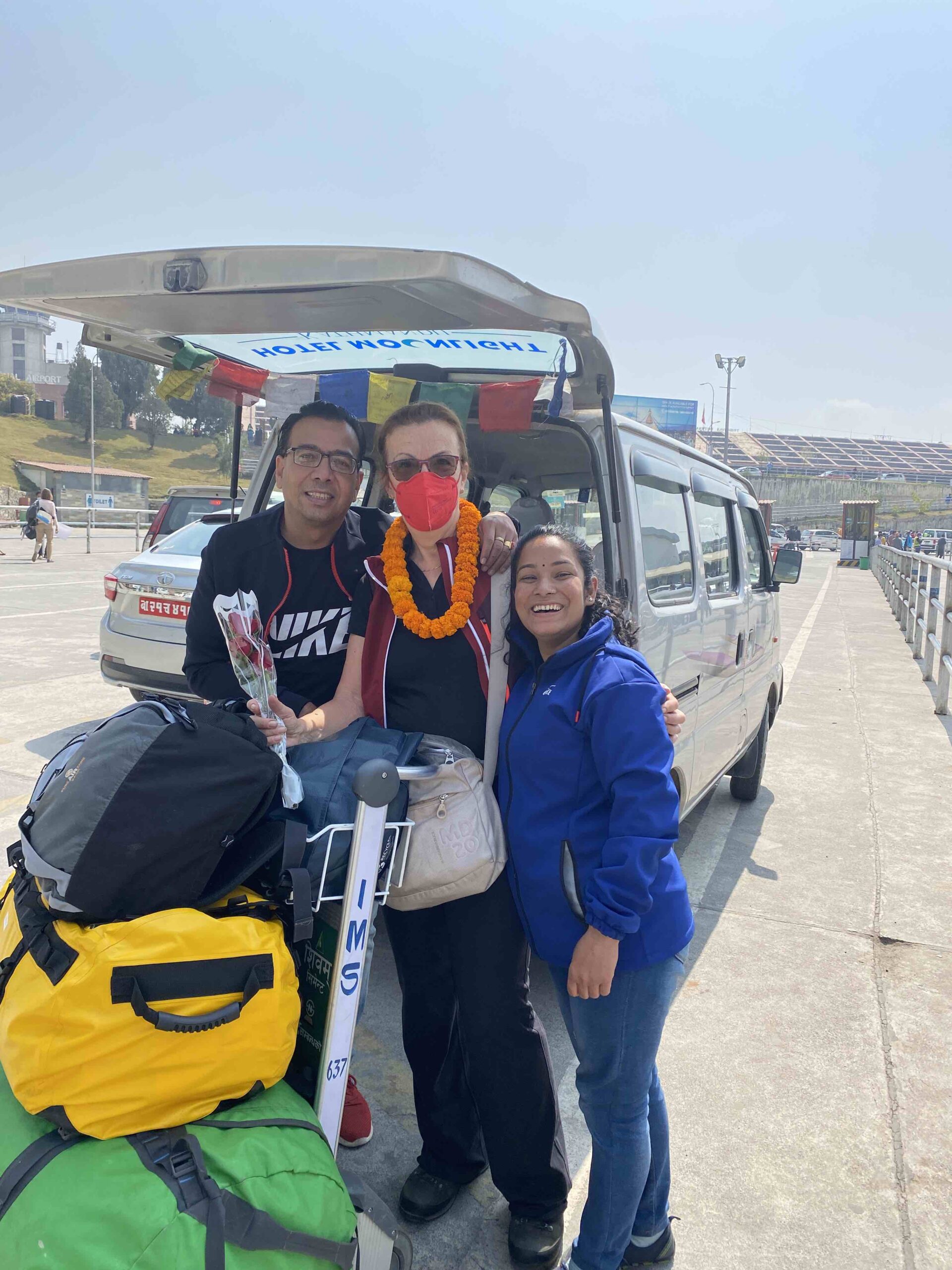
… after more than 2 years Carola Gosch is back in Nepal. With window openers for the glass houses, seeds and self-knitted socks she is back to work on site. But besides the work there is also a party to celebrate – Happy Holi

… in Kunikhop are not very popular and the women understandably want toilets closer to the house and in a “modern” form. However, instead of toilets with wastewater tanks, a project is to be started in which modern composting toilets can produce compost for agriculture in a low-odor and structured way. For this purpose, a local partner could also be won, who will accompany us in this regard. During an excursion, the women visited the modern composting toilets and were enthusiastic. We are very curious to see how the implementation will succeed.
This is made possible by the financial support of the Schöck-Familien-Stiftung gGmbH.


.. Women in Merangding are trained in detail and receive the material for cultivation at home. All of them are totally eager and excited about this new opportunity. The plan was to have 25 members for the new cooperative, but the number of interested women is increasing daily and so we are already at 35.
The work is progressing rapidly, in 2 days the basic training could be carried out as “field training”. It is nice that many women were already able to participate themselves. For this training, the women also brought their equipment from home, which will be supplemented if necessary. So they learned composting, mulching, creating raised beds and gardening. In addition, they will make microorganisms for soil improvement and liquid fertilizers for crops. Soon they will be able to implement what they have learned in their own fields. The women are very excited about the model farm and greenhouse, which will serve as a community center for everyone in Merangding. There, information about permaculture and organic farming will be made available to all, a seed database will be created, and trainings will be held.
Many thanks to Fair Styria, who made this project possible with their support.


… from Kunikhop also want to participate in the certification program for organic vegetable cultivation. It quickly becomes clear how difficult it is to achieve high yields on the fields, some of which are very small. Through the new knowledge in the area of mixed culture, use of compost, biological fertilizer and plant protection, this should change now. This sounds exciting, which is why twice as many women as planned are taking part in the program. They are all informed in an admission procedure about the form of support but also about their obligations. Based on the baseline data, all progress can be well documented later.
We are excited.
The project is especially supported by the Schöck-Familien-Stiftung gGmbH


.. a cooperative is exciting and means a lot of new things for the women to learn: “How do we organize ourselves, what are our rights and duties and accounting do we also have to learn and understand!”. So now the women in Kunikhop are becoming part of the success story, which has now grown from 5 women in 2016 to over 200 women.
They benefit from the many experiences and the proven training program of our partner Social Work Institute and are thus optimally prepared for your new task – we wish you a good harvest and much success.
Many thanks also to the Schöck-Familien-Stiftung gGmbH who supports us financially here.


… is still woven in the villages according to centuries-old patterns. For the Nepalese, this is a fabric used for traditional costumes. But our women like to be creative and incorporate modern designs into these colorful fabrics every now and then.
The fabrics are woven in the villages themselves and our women have made sample pieces that they are very eager to sell in Austria for the benefit of the cooperative.
We are all very excited to see if and how it will be accepted and look forward getting feedback on the first prototypes.


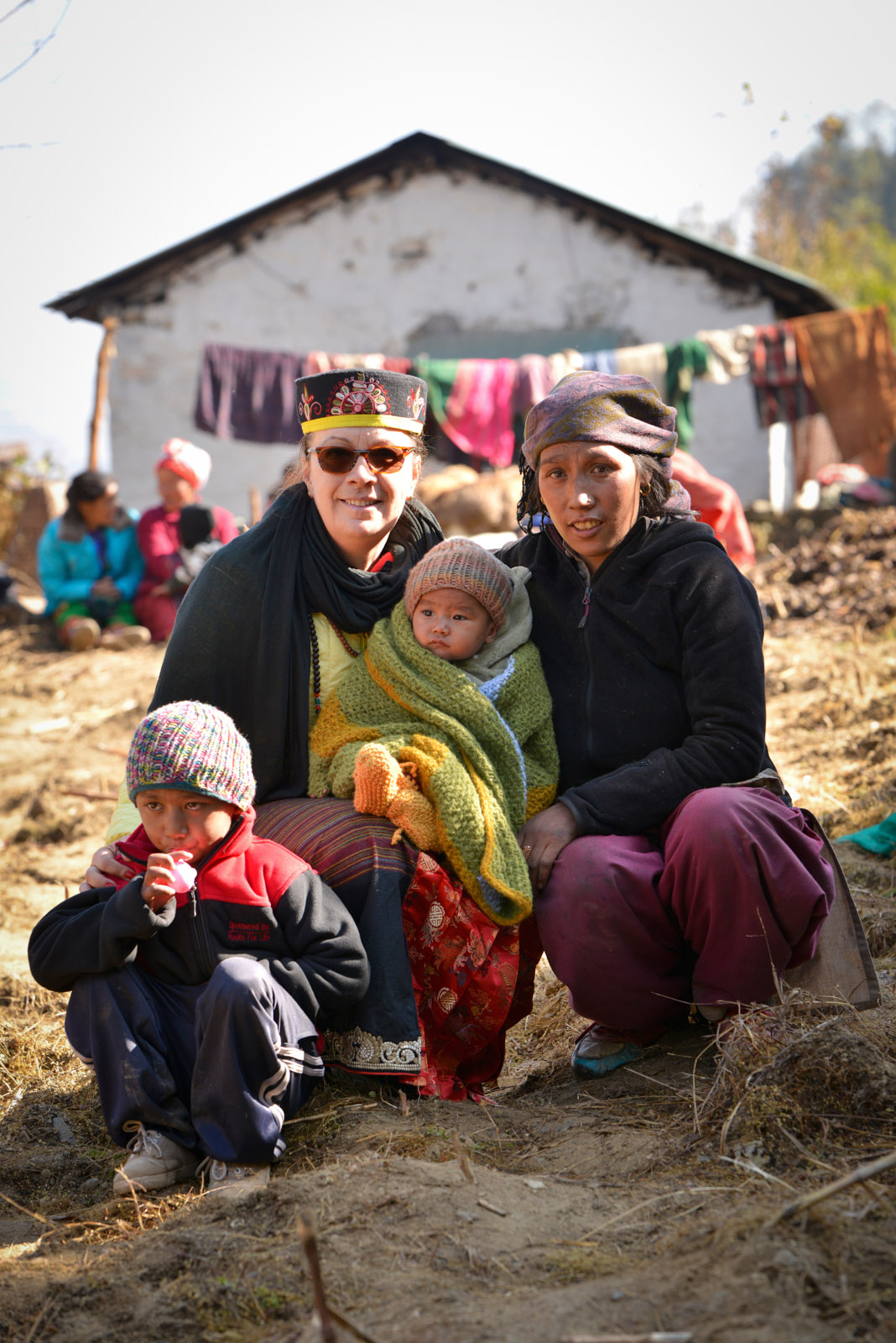
… we wish our women and children in Nepal.
Big thanks to all the people who have accompanied us, in part, for many years and made these wonderful changes in the villages possible.
We all hope for a more relaxed year 2022 and above all that we can continue this important work with YOUR support. Christmas donations at DONATE
Enclosed as a “Christmas story” an interview with Carola Gosch from WOMAN.at

.. to see how great the work with the woman cooperative Sagarmatha Milijuli Sana Kishan Mahila Krishi Sahakari Sanstha Limited in the villages is progressing even in the cold.
Many thanks to Fair Styria, Land Vorarlberg and Schöck-Familien-Stiftung gGmbH for their financeial support and our project partners Chay Ya Nepal, Chay Ya Austria, SWI and Hasera for the great cooperation.
Who still wants to do a good deed for Christmas, already with 20€ we can support a woman with trainings for one year.
We welcome donations at
https://www.rootsforlife.info/spenden/


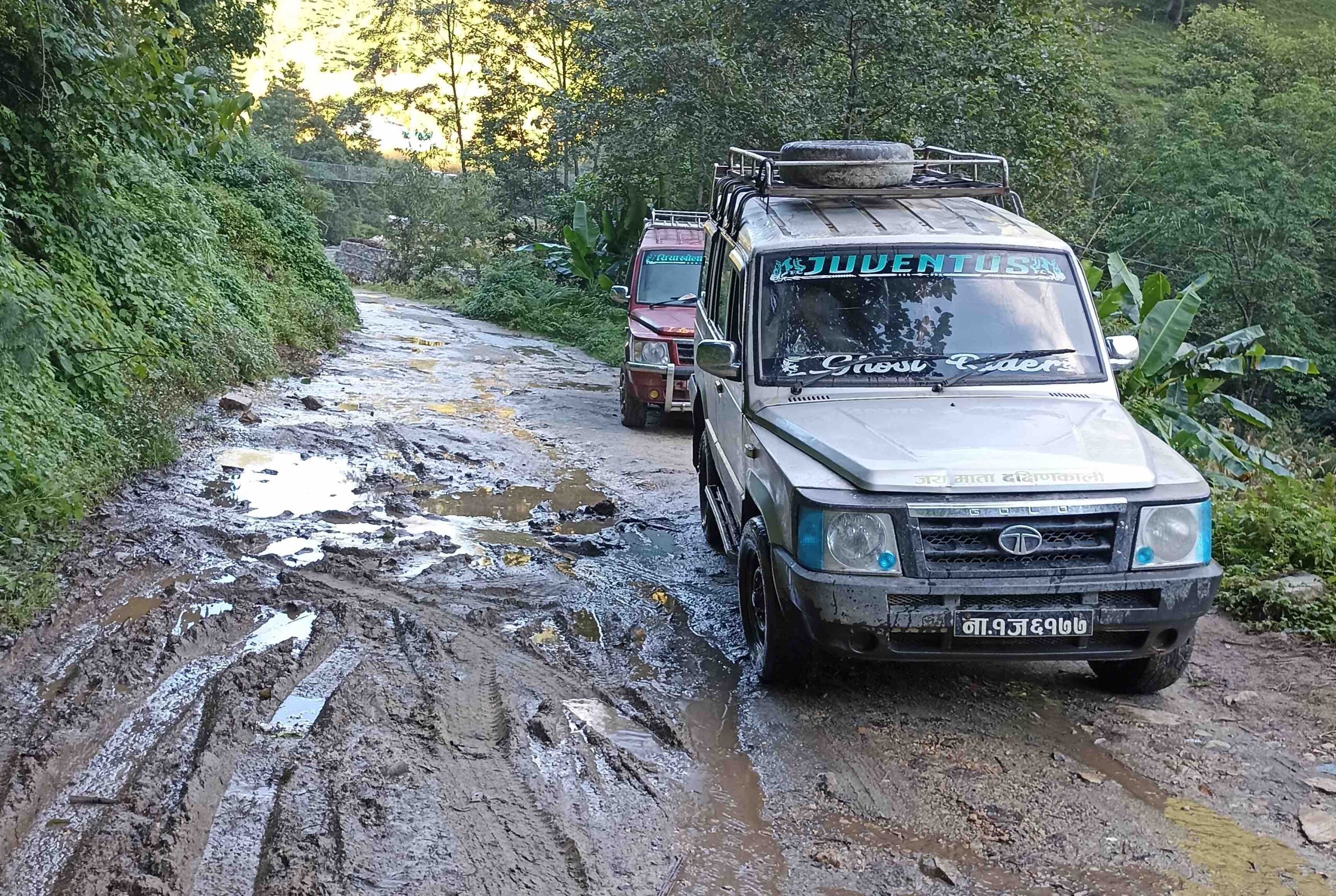
.. means for us to rely on national initiatives. A project is being started in Ghunsa together with the National Innovation Center. With a predominantly solar-powered drying house, local vegetables are to be dried and processed into traditional products.
The contracts have been signed, unfortunately the lockdowns and then the rainy season made the work more difficult. Now the locally mined stones are on their way to Ghunsa to build a floor slab.
Many thanks especially to @unser vorarlberg and Chay-Ya Austria and Chay-Ya Nepal for their support.


.. of the project implementation, our local partners took another look at the situation of the individual families in the village. This makes it possible to respond even more specifically to the needs and to show changes. For example, there are already a few greenhouses in Kunikhop where the government has financed the plastic. Some of the animals are already being sold. As far as vegetables are concerned, they still grow relatively few species and, above all, not yet in a mixed culture.
The women are very happy to learn all this in the new project.
Many thanks especially to the Schöck-Familien-Stiftung gGmbH for making this possible for them.


