Category: I-Farming-EN

not sure if we should keep, subcategory of income generation is also farming…

  • Innovative …

    Innovative …

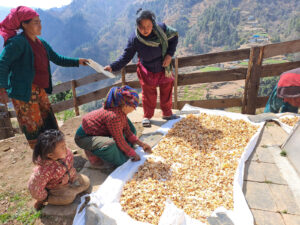
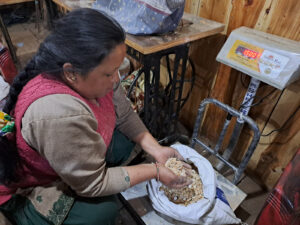
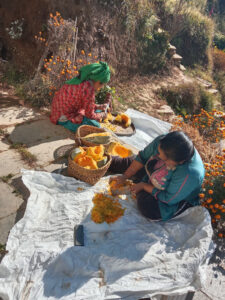
    … is the idea of processing pumpkins. Until now, some of them were eaten but most were fed to the animals. They grow everywhere, even on slopes that cannot be used for other vegetables. Now they are collected from all the villages and processed in Ghunsa.

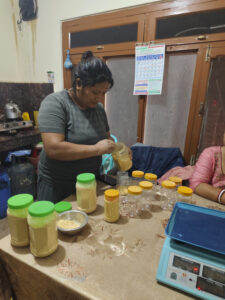
    Dried and possibly as flour, they can be used for soups, curries, but also bread and cakes. The market for these long-life products is to be developed, especially in the accommodation centres on trekking routes and in Kathmandu.

    Many thanks to Fair Styria, which supports the marketing of the products.
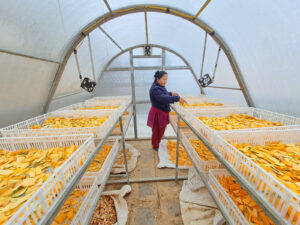
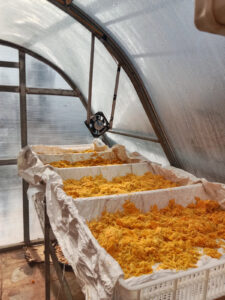
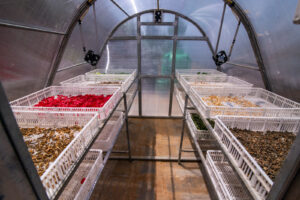
    .. the cut pumpkins are dried in the solar dryer
    … where possible, the women also dry them outdoors
    .. in addition to the pumpkins, the seeds are also processed
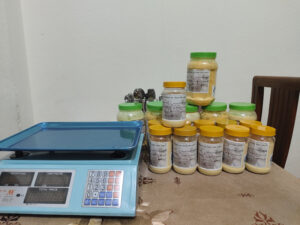
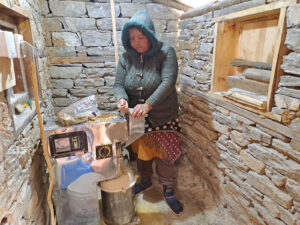
    .. The flour is bottled
    .. the products are certified organic

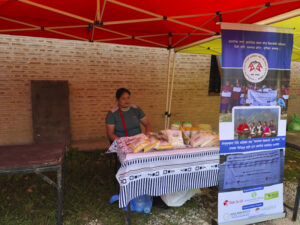
    .. direct sales have started at the market in Kahtmandu

  • A few women…

    A few women…

    … per village who can produce enough and want to market it together were selected. They receive intensive support to help them get started in marketing.

    Until now, they have only sold individually in the village or perhaps once at a local market. Doing this together is a completely new form for the women and we hope that they will be able to generate more income together in the future.

    Many thanks to the Schöck Familienstiftung, which makes the operation of the model farms and the support possible, and to Fair Styria, which supports the project for marketing.

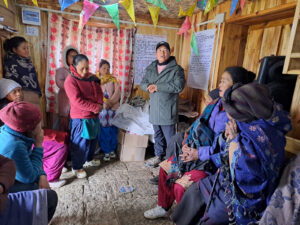
    … the women in each of the 4 villages are informed about what is necessary for joint marketing
    .. Approximately 20 women per village register for the programme
    … if they do not grow the plants themselves, they receive them from the model farm
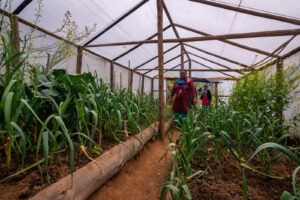
    .. the large greenhouses on the model farm are constantly producing plants
    .. thanks to the good farm manager in Chyangsar, there is enough for everyone

    .. the vegetables on the model farm are also grown for seed generation

  • Successful …

    Successful …

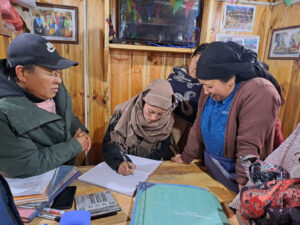
    … some things can already be sold on the model farm in Ghunsa, which the president keeps a detailed record of. In addition to the production of dried vegetables, the mill and the sale of processed almond, nut and apple trees are the main sources of income ?

    Many thanks to Schoeck Family Foundation for making the operation of the farms possible and to Fair Styria, whose support makes marketing activities possible.

    .. the cooperative’s cash register is ringing ?
    .. grafting the trees is a tricky business
    .. the experts support the women and check the results
    .. the first pumpkins are ready for sale, the next round is being prepared
    .. the mill is heavily used by the women – they no longer have to go to the neighbouring village for it


  • Dried pumpkin …

    Dried pumpkin …

    … will be one of the cooperative’s first products to be sold. Whether finely chopped for vegetable stews or as flour for many other recipes, including pumpkin chai latte ?. Many women who previously fed the pumpkin mainly to the animals benefit from the joint production and sale.

    Now everyone is working feverishly on marketing so that customers are enthusiastic about buying the products.
    Many thanks to Fair Styria for supporting us in our marketing activities.

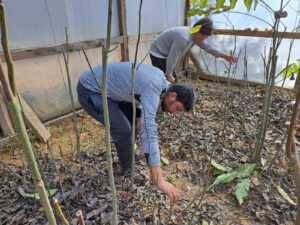
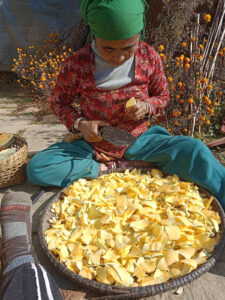
    .. the delivered pumpkins are cut on the model farm
    .. depending on the end product, the pumpkin is prepared larger or smaller for drying
    .. different types of pumpkin and cutting methods are tested and recorded

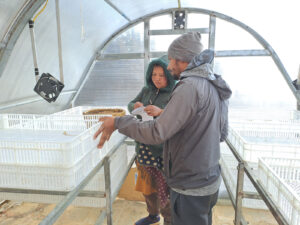
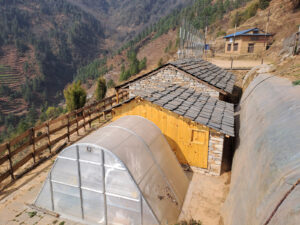
    .. this is how the solar dryer is fully utilised

  • Dried vegetables and herbs…

    Dried vegetables and herbs…

    … are prepared for marketing in Chyangsar and Ghunsa. Whether traditionally or in the Solar Dryer, dried goods can be transported more easily and without time pressure.

    Dried vegetables, also as traditional pickles and tea are 2 good options.

    Many thanks to Fair Styria for supporting the cooperative on its way to commercialisation.

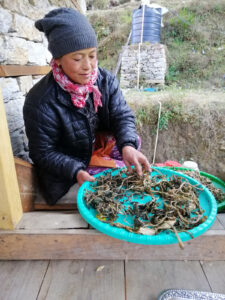
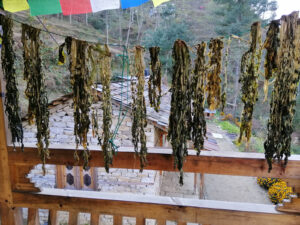
    .. traditionally dried on the veranda of the farmhouse
    .. the vegetables can be cooked directly in winter
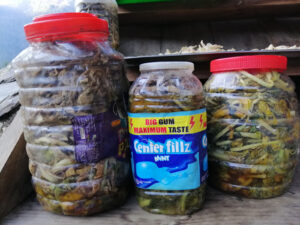
    .. pickled as pickles and eaten as a side dish with the daily meal
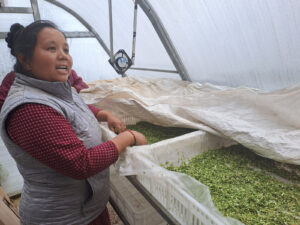
    .. Herbs can be gently dried in the solar dryer
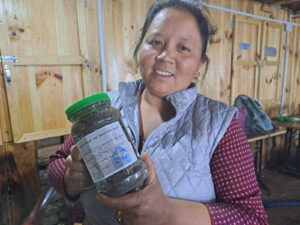
    .. the herbs will be marketed as organic tea

    .. other products are also being trialled to distribute samples

  • Great …

    Great …

    … the initiative to support species-appropriate stables and loans for the purchase of animals has developed further. In self-administration of the cooperative, small loans are granted and paid back by the women so that the next ones can receive support.

    These activities no longer need to be supported externally. Many thanks to all who have made the development possible.

    .. all participants in the programme received the same material, the use was different.
    .. the credit was used to buy the animals.
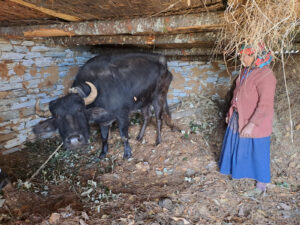
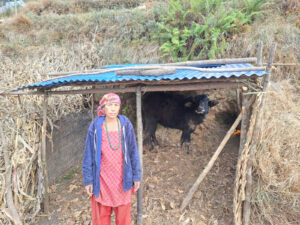
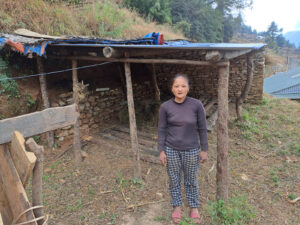
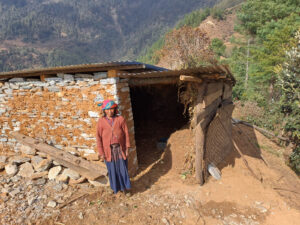
    .. some of the stables are very simple
    .. some women are still waiting for the loan to buy the animals.

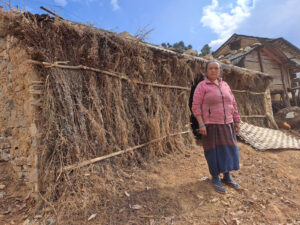
    .. some have used existing stone walls

  • Great …

    Great …

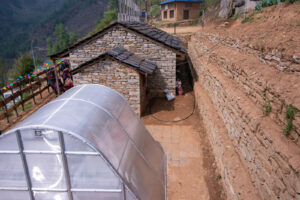
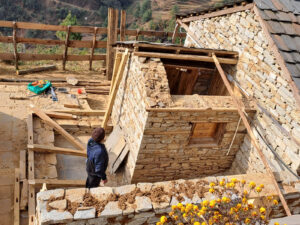
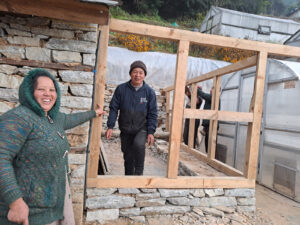
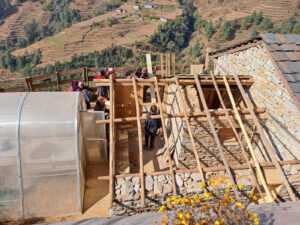
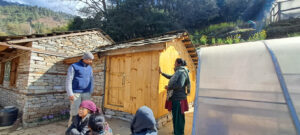
    … every space on the model farm in Ghunsa is used. In the future, grain and dried vegetables can be milled and packaged in the new small extension building. This is another small step towards marketing.

    We are already looking forward to the first products that can be professionally produced here.

    Many thanks to all the sponsors who have believed in our projects so far.

    .. the new attic was lovingly integrated
    .. it was built around the toilet
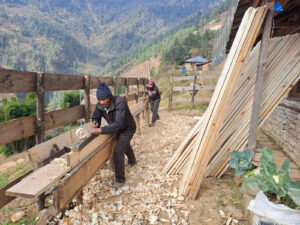
    .. local materials and local carpenters
    .. the joy is great
    .. also the roof is completely new made

    .. the new attic is finished

  • Impressive …

    Impressive …

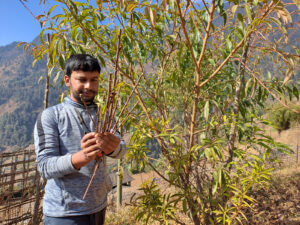
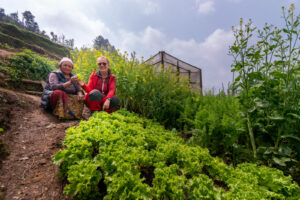
    … is the implementation of the training by the women in Ghunsa. Potato fields have become great mixed crop fields, and in the meantime they are growing their own plants in greenhouses.

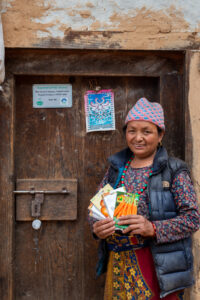
    We are happy that all women from the certification program can sell their vegetables as 100% organic.

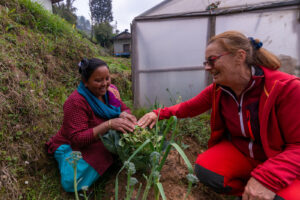
    We visited some on their farms, here are 2 impressive examples.

    Many thanks especially to Unser Vorarlberg and Chay-Ya for their support.

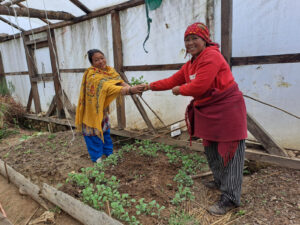
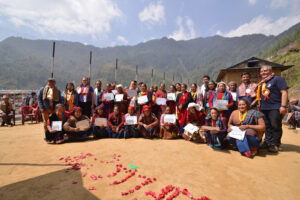
    .. During a festive ceremony the certificates were handed over to women from Ghunsa and Chyangsar
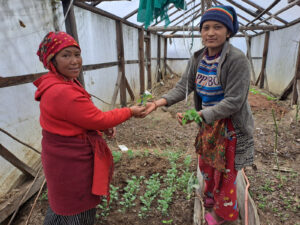
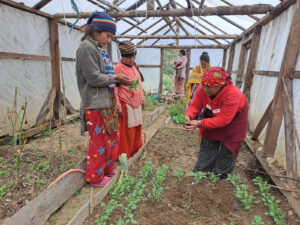
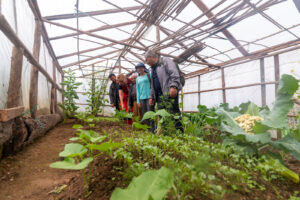
    .. New vegetables are grown in the greenhouse
    .. with special procedures seeds are collected
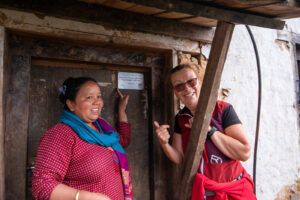
    .. The women are especially proud of the sign that identifies the farm as 100% organic
    .. Many different plants in the greenhouse could be admired
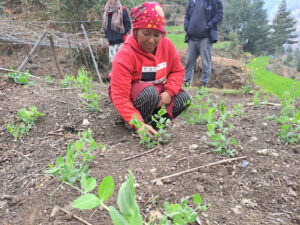
    .. Impressive results with lettuce

    .. Extra seeds were given to the “best in the village”

  • Super …

    Super …

    … the website of the cooperative is online – Solusisters. Here all products from the farms and the sewing workshops can be presented and also sold. This is a step towards income generation.

    Many thanks to Land Vorarlberg, which supports this project financially and to Chay-Ya for the cooperation.


  • Chyangsar – Income

    Chyangsar – Income

    For the women in Chyangsar, we have supported two ways to generate income. On the one hand, income from vegetable cultivation, and on the other, from a sewing workshop established in 2020.

    Plants and vegetables:

    • the model farm sold about 1,200 vegetable plants and about 2,600 kg of vegetables in 2020, with the money benefiting the cooperative’s programs
    • the women were also able to use their knowledge directly to grow vegetables in their gardens and successfully sell them at local markets

    Sewing workshop:

    • the sewing workshop was built in 2019 and seven women were professionally trained by our project partner Hasera near Kathmandu
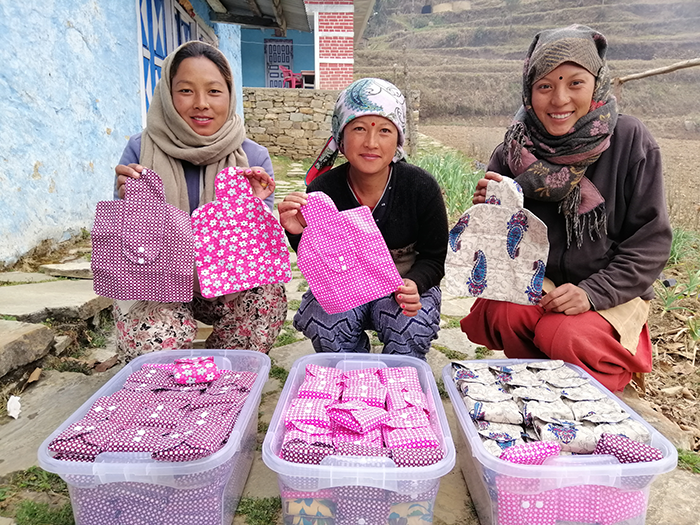
    • with this it was already possible to produce saleable washable sanitary napkins
    • Already in 2020, the first sanitary pads could be sold through the cooperative to the government and also in the village.
    • Within the framework of a Covid program, about 5,000 masks could also be sewn together with the other sewing workshops and distributed to the villagers.
    • The women pass on their experience in the form of training to women in the other villages