-
For the second time …
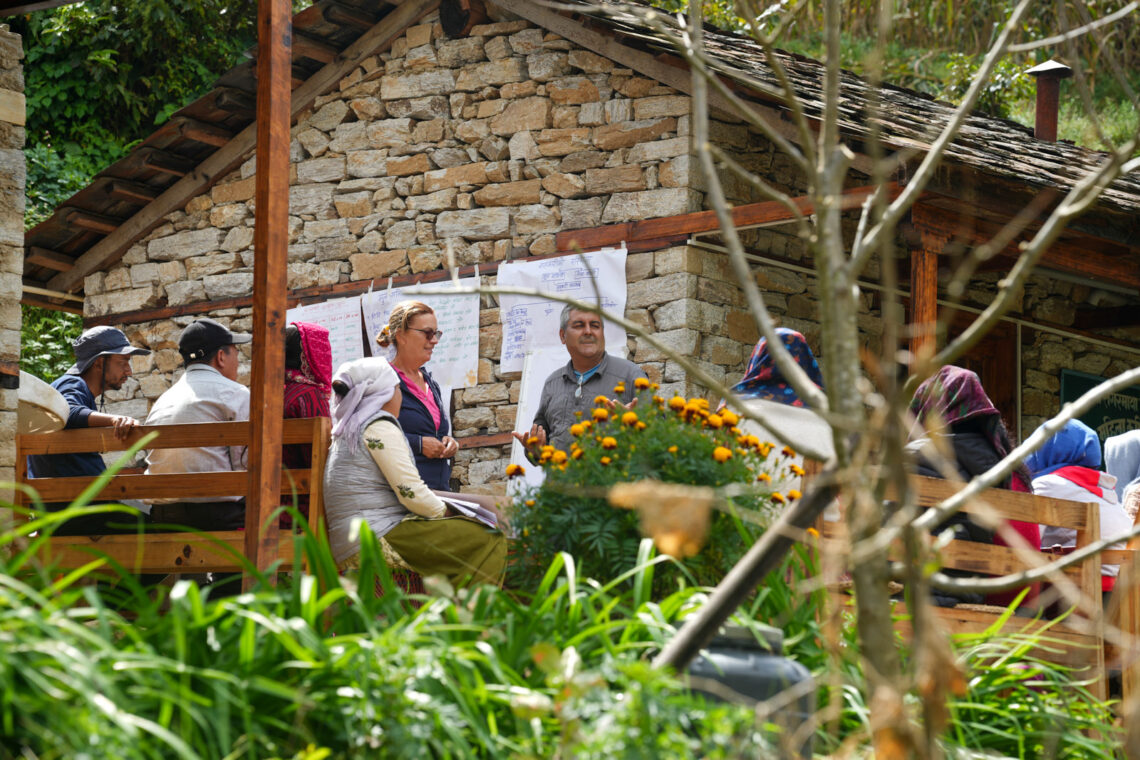
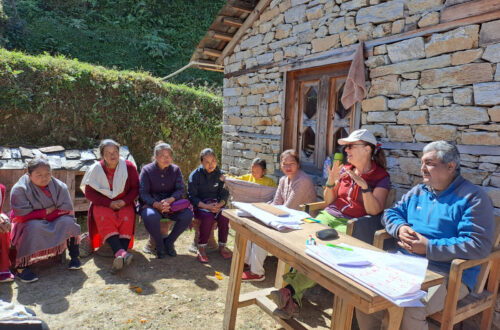
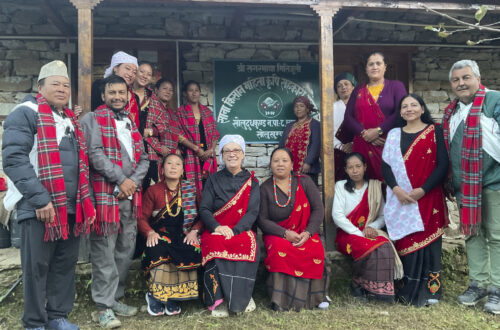
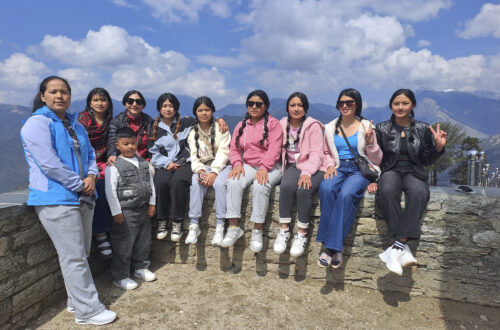
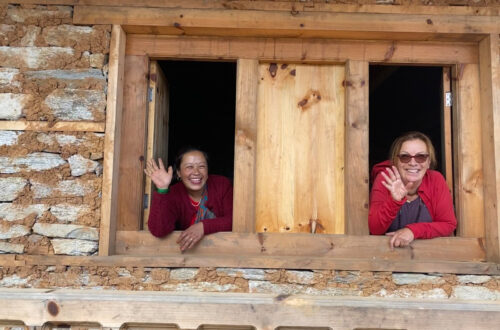
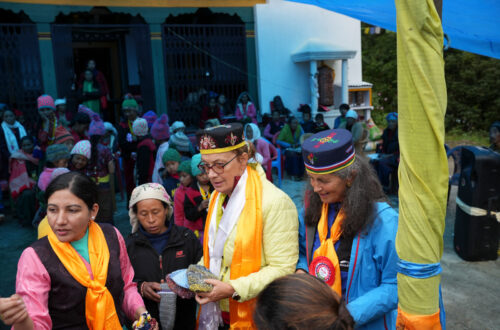
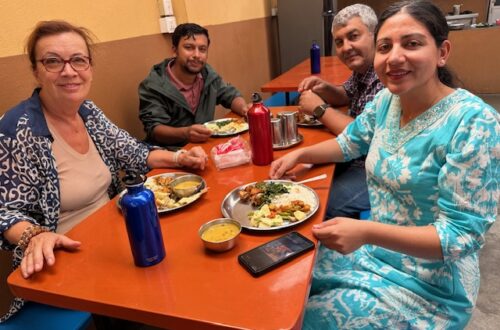
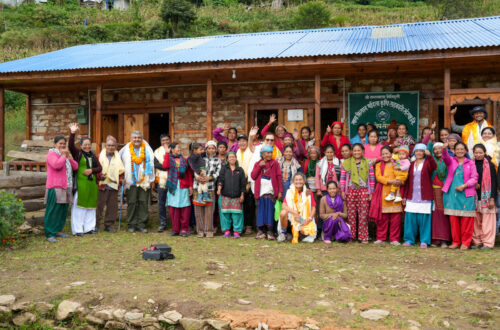
… a strategy day was held with those responsible from all 4 villages. In addition to the presentation of last year’s work, the plans for the coming year and much discussion, there was also an opportunity for informal dialogue. It is great to see how self-confidence is growing and how the women are getting involved. The whole team of Social Work Institute, HASERA and Carola Gosch worked intensively for 2 days. Many thanks to all who support this co-operative: Schoeck Family Foundation, Fair Styria and private sponsors.
-
Congratulations …
… to the second girl from Chyangsar who did the internship for agricultural training at HASERA. She worked so well that she even got a job offer and we hope that she will use it to continue working in this field. We wish her all the best. This will build important capacities for organic farming in Nepal and the initiative will have a lasting effect. Many thanks to HASERA for this valuable training and to our sponsors who have been supporting this girl, among others, for 9 years.
-
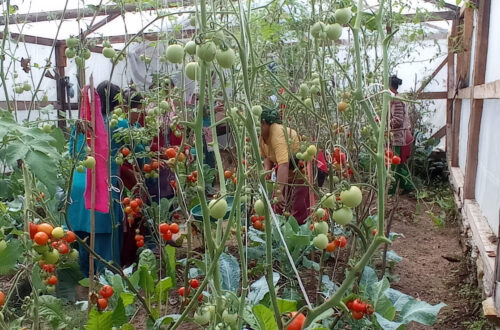
Preparations …
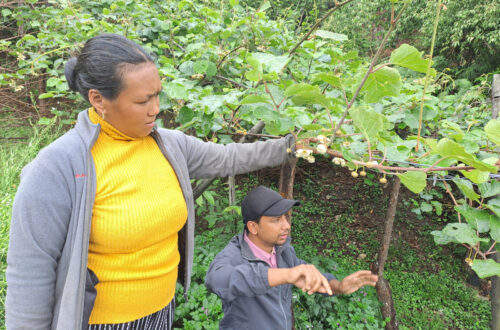
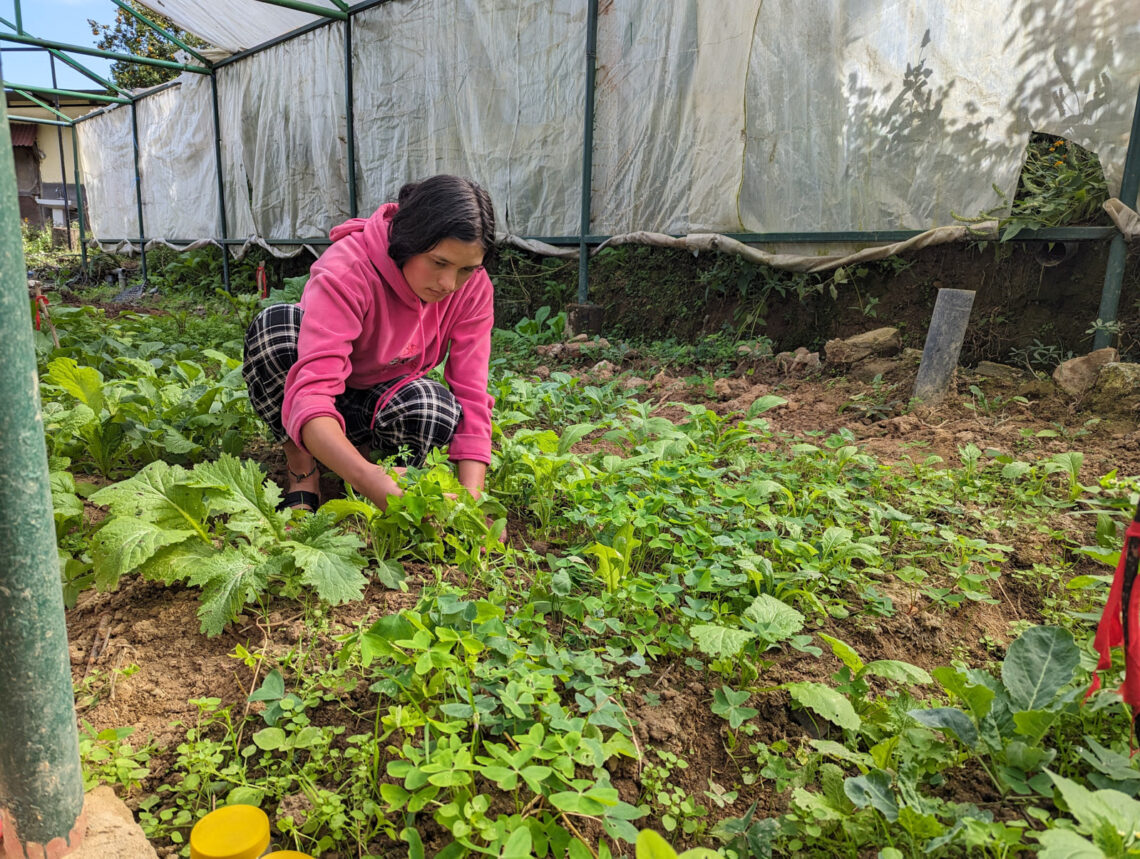
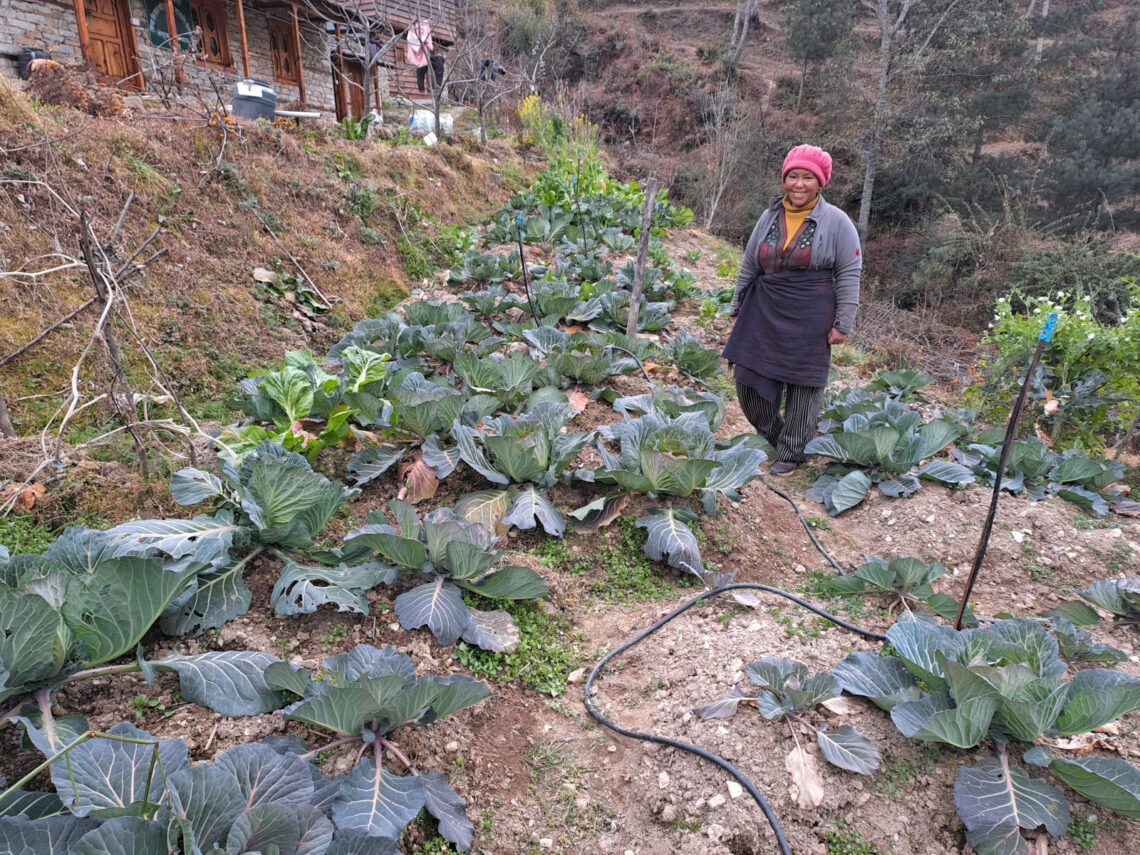
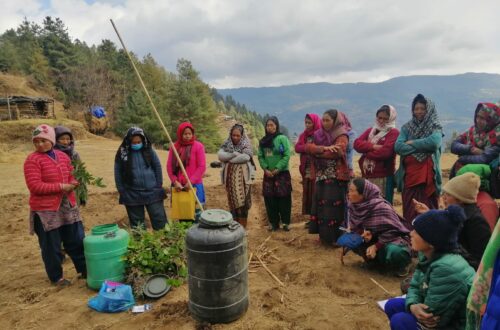
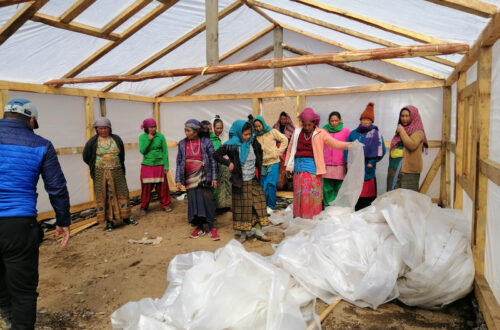
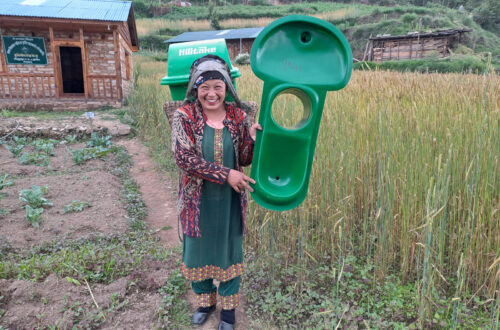
… for a good harvest are in full swing in Chyangsar. Some new PGS farmers are getting the plastic for the greenhouse, the compost is being spread, the last winter vegetables are being harvested and, above all, a new kiwi construction should provide good support for the abundant harvest in the coming years. Many thanks to our farm manager and the team for their great work and to Schoeck Family Foundation, whose support makes these activities possible.
-
First steps …
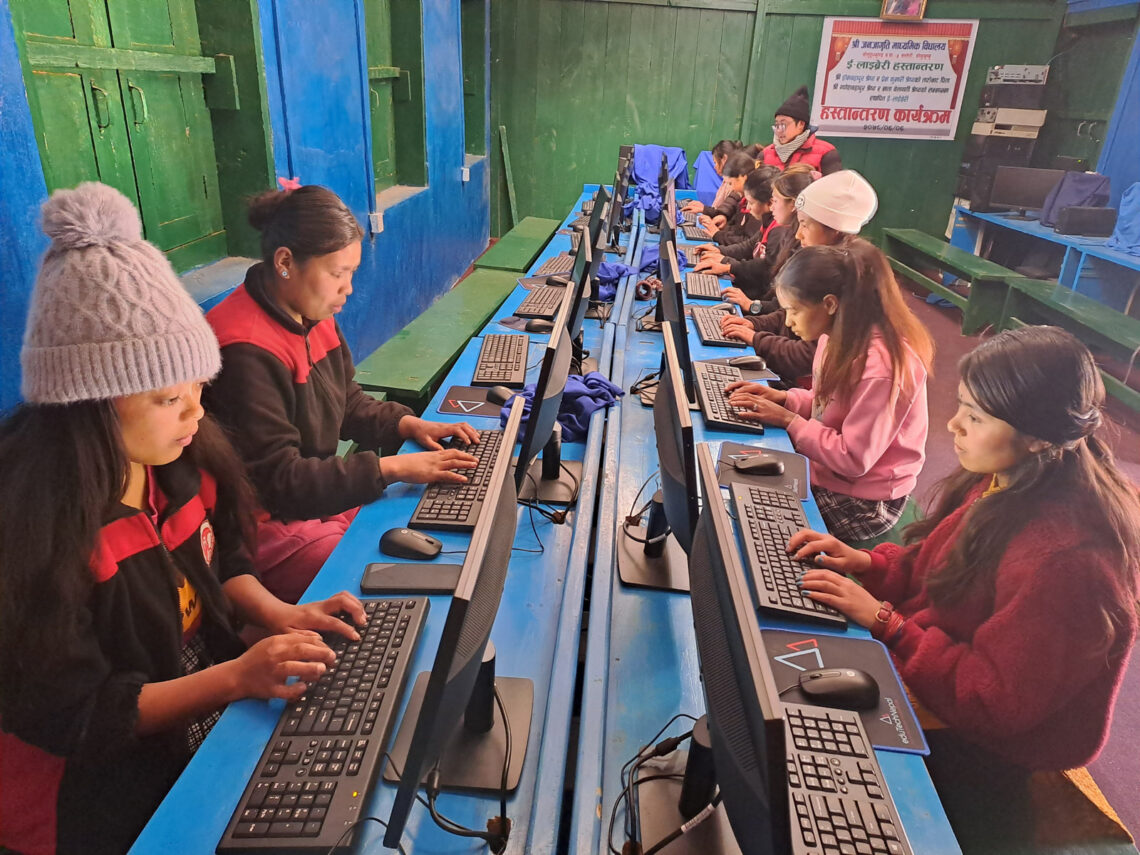
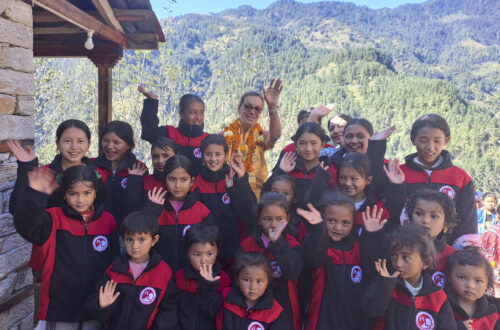
… on the computer are an important experience for the girls in Sallerie. All the girls from the hostel are taking part in the course and are also learning the 10-finger system to be able to type quickly. We wish them lots of fun and thank the Schoeck Family Foundation for supporting the girls in the hostel.
-
Successful …
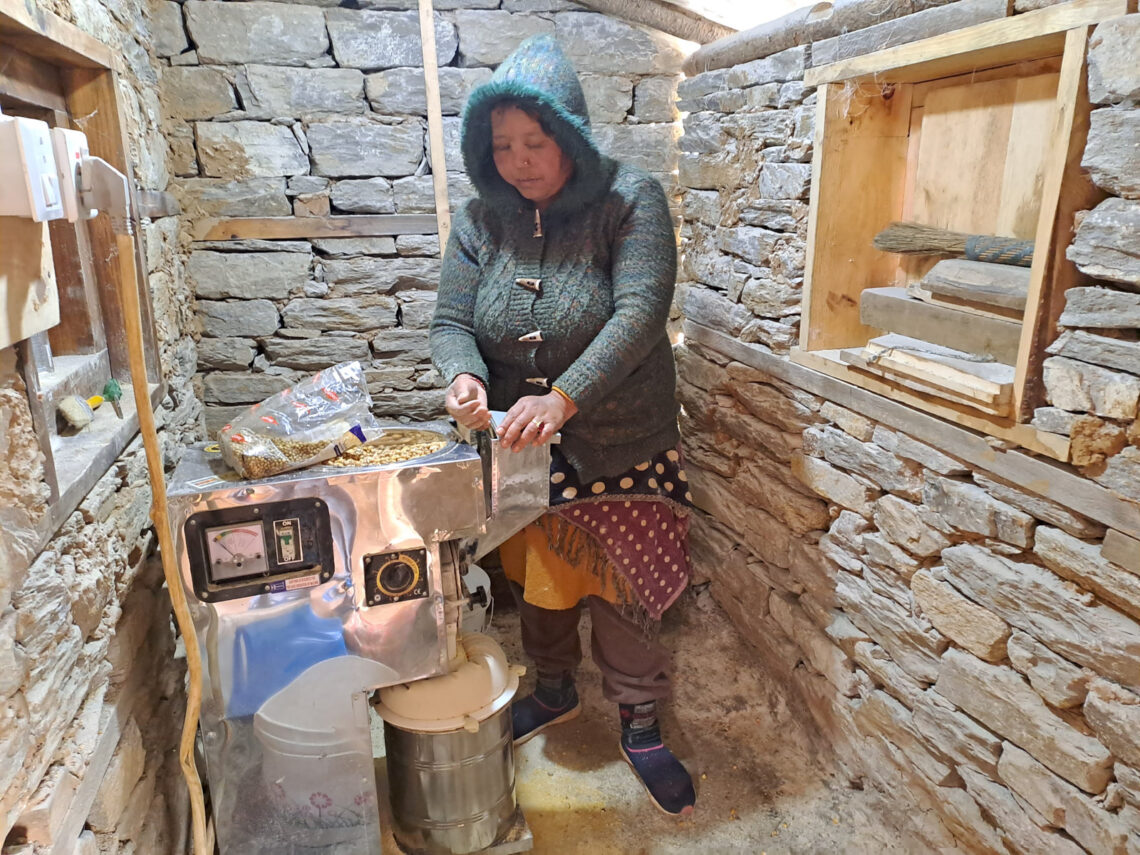
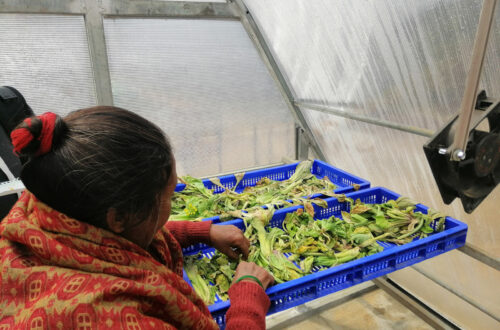
… some things can already be sold on the model farm in Ghunsa, which the president keeps a detailed record of. In addition to the production of dried vegetables, the mill and the sale of processed almond, nut and apple trees are the main sources of income 🙂 Many thanks to Schoeck Family Foundation for making the operation of the farms possible and to Fair Styria, whose support makes marketing activities possible.
-
For the first time …
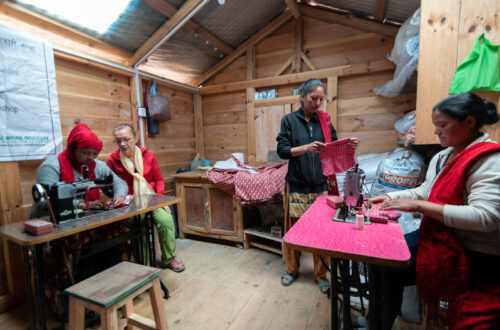
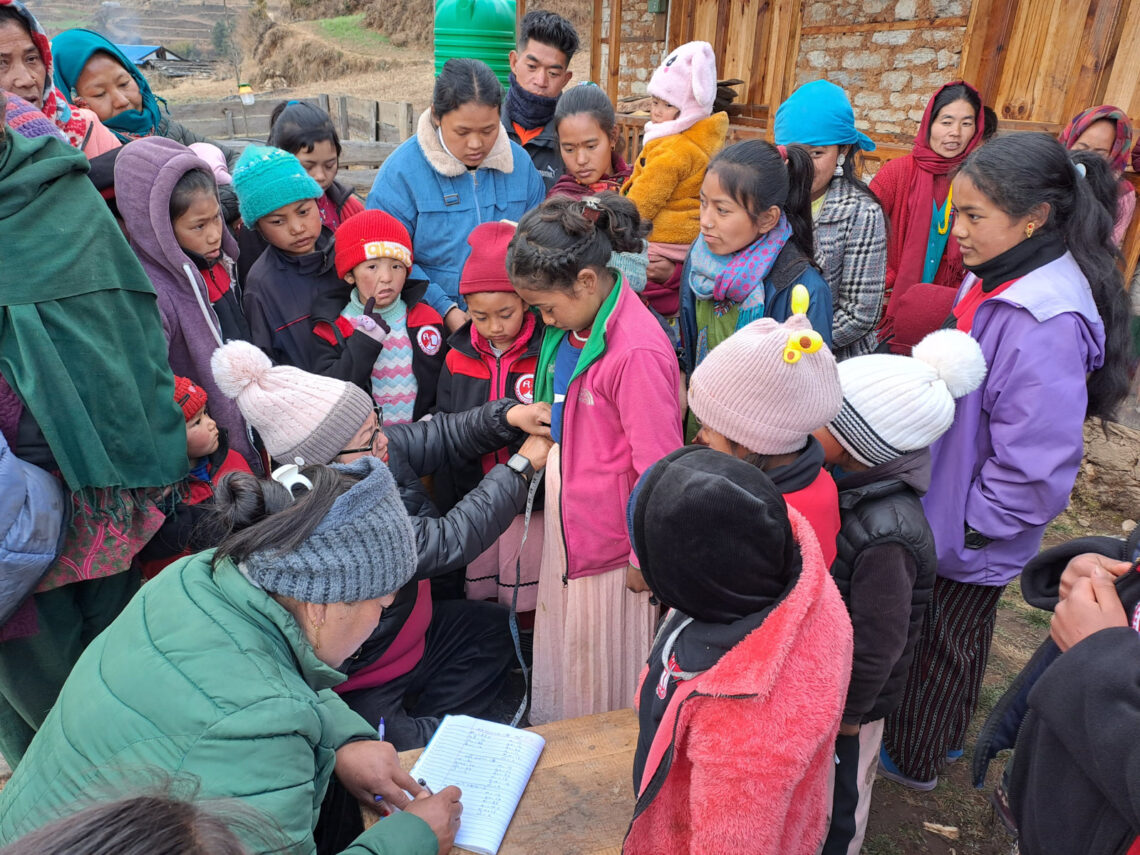
… the school dresses for all villages are sewn by the women themselves. In 2 workshops (Merangding and Kunikhop), a few women each receive training on how to measure, cut and sew. The school dresses are then produced as part of the training. In addition to training for the future, the hard-working seamstresses also receive a wage for the finished school dresses. This means that the added value for the school dresses of our protégés remains in the villages. Here are the first steps in Kunikhop. Many thanks to all sponsors who make this particularly sustainable purchase possible 🙂
-
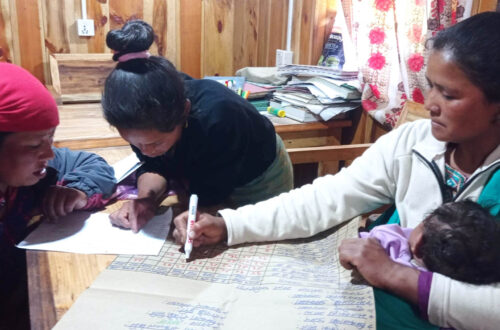
For almost 7 years …
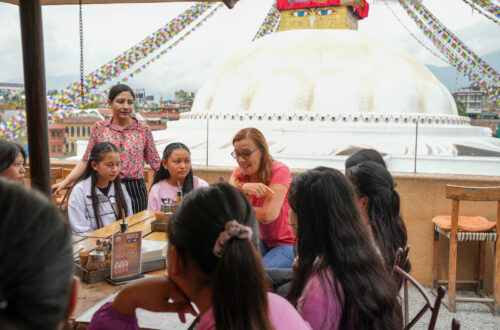
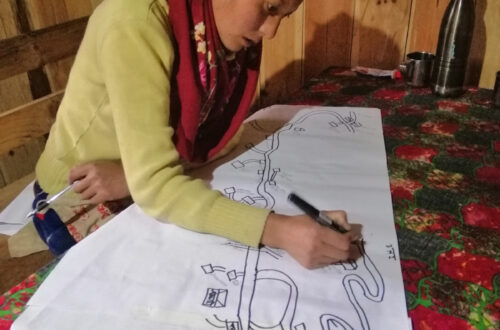
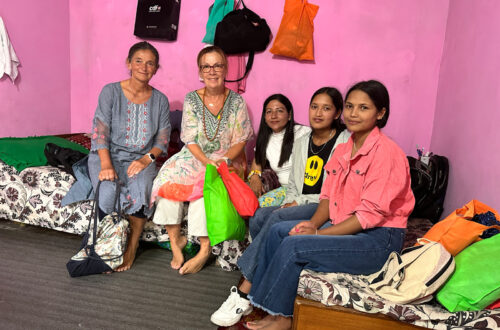
… the girls from Raksha Nepal have been living in the renovated rooms in Kathmandu. It is unbelievable how they are overcoming their fates and finding their way back to themselves thanks to the good care and the “healthy” environment. They keep reminding themselves of important things on self-designed posters until this becomes part of their thinking. We are always happy to be able to support them and are touched by their joy at our visit. Thank you to all the supporters of Roots for Life who make this work possible.
-
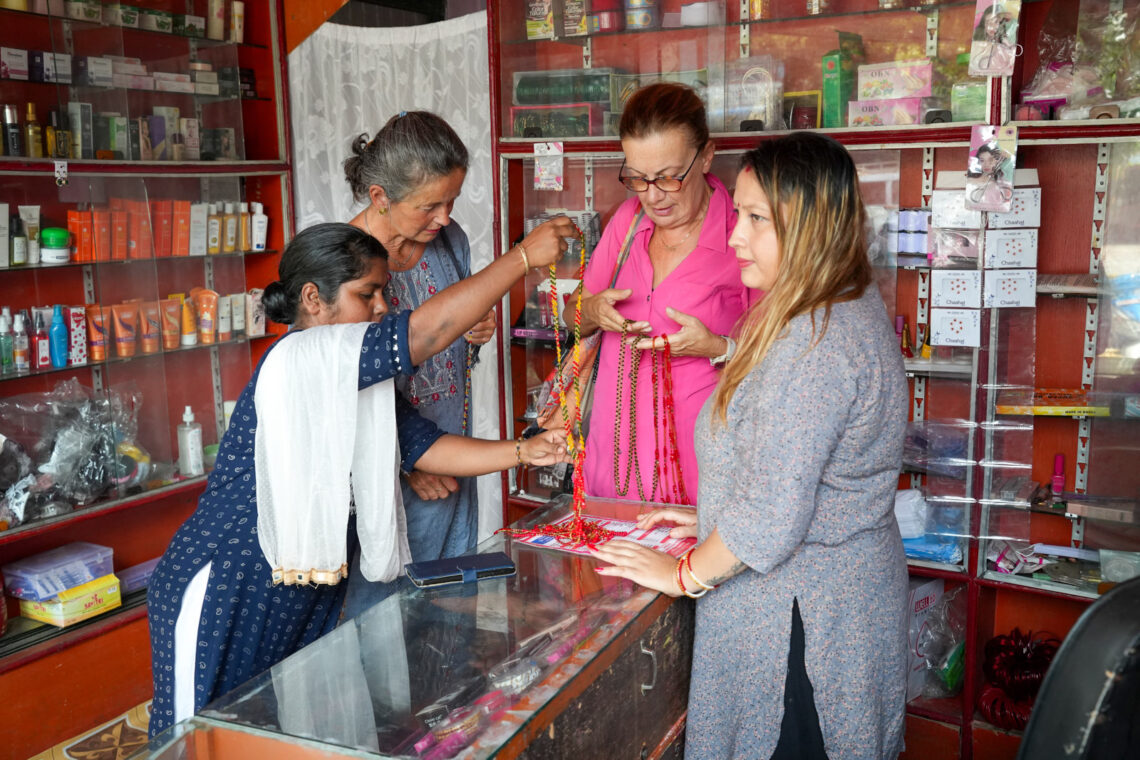
Shopping …
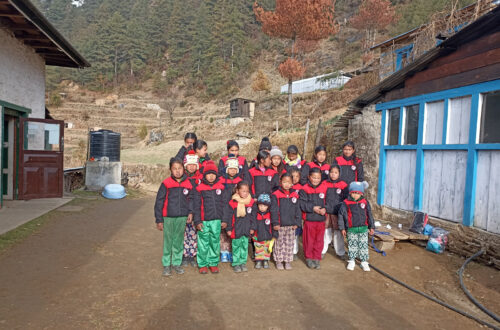
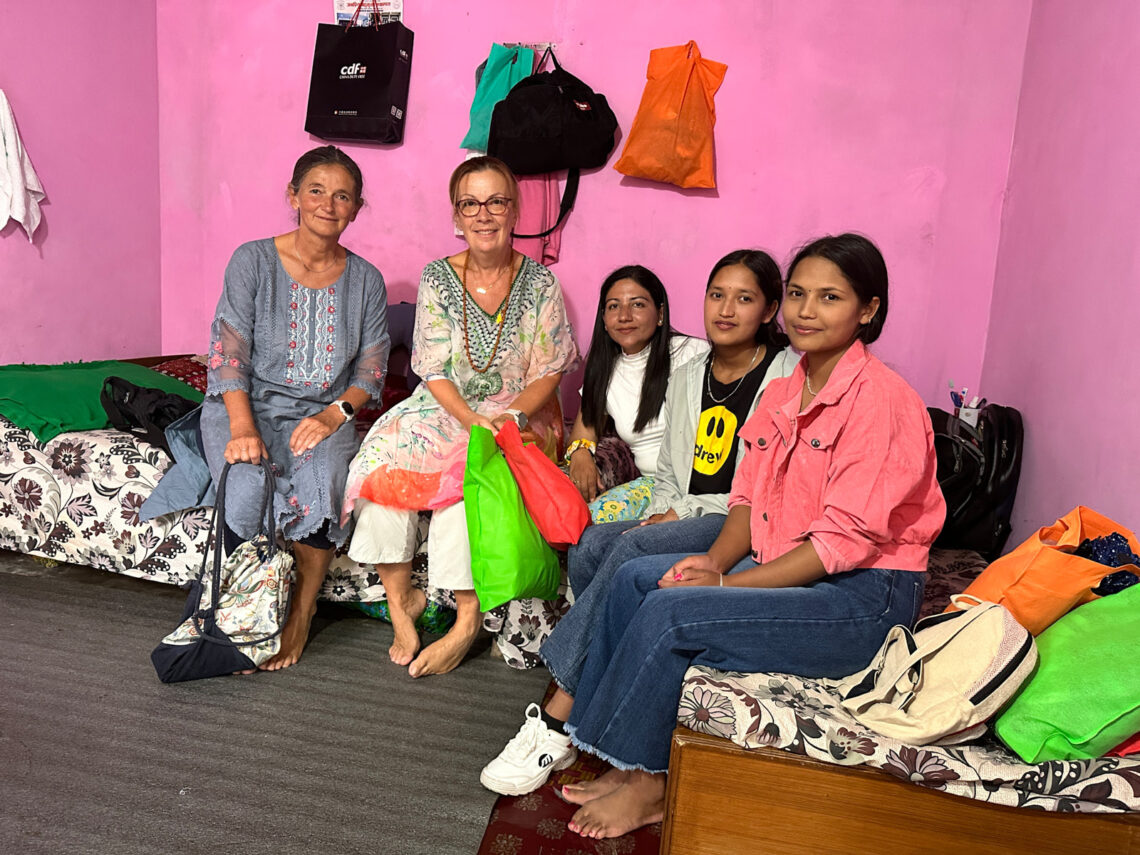
… is something very special for the girls, especially before the big autumn holidays. There are currently over 20 girls in the final classes for the higher school-leaving certificate. This programme, which started 3 years ago, is a great success in the villages. Most of them attend the school in Sallerie and live in the hostel, but some also live in Kathmandu and Pokhara. We maintain close contact with all of them and also celebrate and shop for the festivals. We would like to thank our sponsors for their loyal support and are always happy to hear from new ones at office@rootsforlife.info.
-
Climate change …
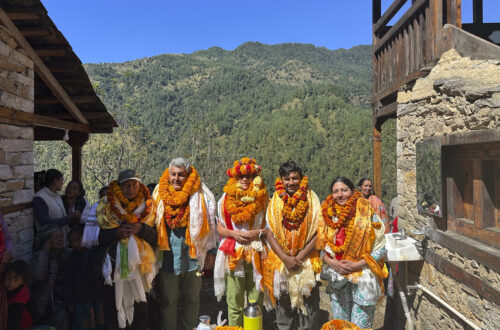
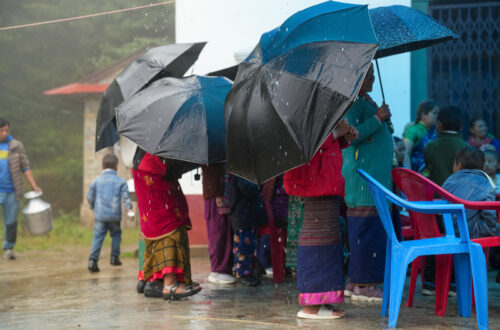
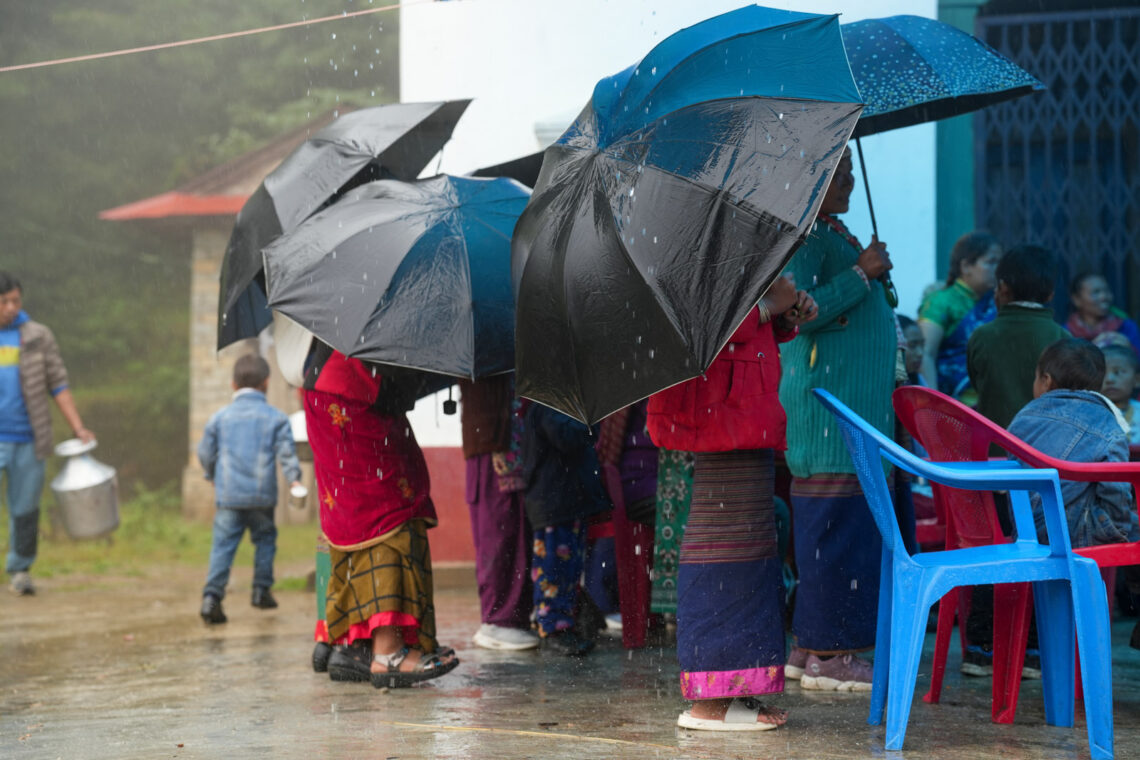
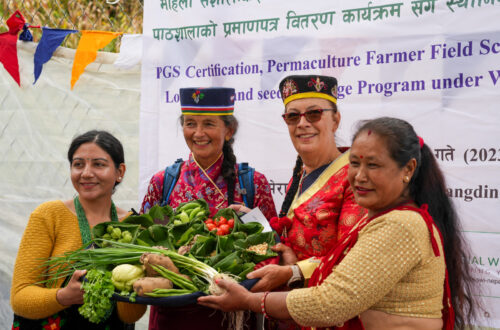
… in Nepal can be seen, among other things, in heavy rainfall at times when it should have been dry for a long time. This not only makes harvesting much more difficult, our Food Festival was also significantly affected. Nevertheless, it took place and a further 60 women were certified as organic farmers in Kunikhop. During the ceremony, the men cooked for everyone and the rain stopped just in time for the food distribution. We would like to congratulate and thank the Schoeck Family Foundation for supporting this project.
-
New female entrepreneurs …
… are once again in Pokhara this year. The girls are going through a mentoring programme, learning professions (e.g. dressmaker, beautician, …). Some of them get a job, others want to start their own business and are supported by our partner Opportunity Village Nepal. We also visit the girls who started a few years ago every year. They are particularly pleased when they can try out what they have learnt with Carola Gosch 🙂. It’s great to see that this project is making such a lasting difference to the lives of young women.